

Mastering the art of bluffing in poker games at casinos
Understanding Bluffing in Poker
Bluffing is a fundamental aspect of poker that separates novice players from experienced ones. To bluff effectively, one needs to create a convincing narrative that leads opponents to believe they hold a stronger hand than they actually do. Mastering this art requires a keen understanding of your own cards, as well as the psychological profiles of your opponents, especially when engaging with platforms like the 17 dollar neosurf casino that offer various gameplay styles. The key is to project confidence, which often involves maintaining consistent betting patterns that align with the story you are telling through your actions.
Players often encounter various types of bluffs, ranging from pure bluffs, where players have no chance of winning the hand, to semi-bluffs, where they have a chance of improving their hand on later streets. An effective bluff involves timing and the right situational awareness. For example, bluffing in early betting rounds is more challenging than in later ones, as players are typically more conservative when the pot is small. Conversely, as the stakes rise and players become desperate, they may be more susceptible to a well-timed bluff.
Moreover, understanding table dynamics is crucial when attempting to bluff. Different players respond to aggression in varying ways; some may fold easily, while others might call or even raise your bet to see what you have. Hence, observing player tendencies and adjusting your strategy accordingly can exponentially increase your chances of a successful bluff. The art of bluffing lies not only in the execution but also in the observation of how others react to your moves.
The Psychological Aspect of Bluffing
Bluffing is as much a psychological battle as it is a strategic one. Recognizing the mental state of your opponents can provide critical insights into when to bluff and when to hold back. For instance, if an opponent appears wary or hesitant, they may be less likely to call your bet, making it an opportune moment to bluff. Conversely, if a player is overly confident or aggressive, assessing the likelihood of their hand can dictate whether it’s wise to challenge them with a bluff.
Faking emotions is essential in bluffing; a good poker player needs to mask their true feelings, using body language and facial expressions to mislead opponents. For example, maintaining a calm demeanor, regardless of the strength of your hand, can create doubt in the minds of your opponents. Techniques such as controlling your breath and minimizing any noticeable tells can enhance your bluffing success rate. Additionally, varying your betting patterns can keep players guessing and uncertain about your possible hand.
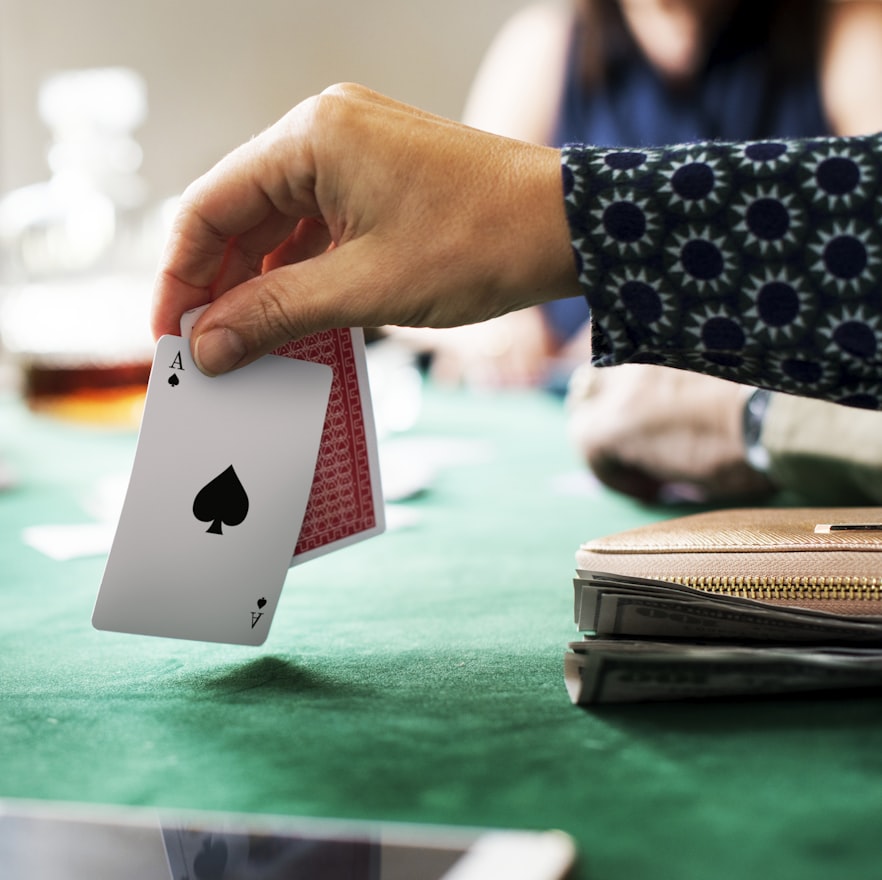
The psychological effects of bluffing extend beyond individual hands; they can influence how players perceive you throughout the game. Successfully executing a bluff can elevate your status at the table, making you seem unpredictable and, therefore, more formidable. This reputation can lead to future opportunities where opponents may feel compelled to fold, simply based on past experiences with your bluffing strategies. Ultimately, understanding the mentality of your opponents and effectively manipulating their perceptions are key elements in mastering bluffing.
When to Bluff and When to Hold Back
Knowing when to bluff is crucial for success in poker. Bluffing during early betting rounds typically involves higher risks, as players are still uncertain about their hands. In contrast, the latter stages of the game provide better opportunities for bluffing, especially when the pot is large, and players are more likely to be invested in the hand. Assessing the board texture also plays a vital role; a coordinated board may present better chances for a successful bluff compared to a disconnected one.
Moreover, the number of opponents still in the hand affects your bluffing strategy. Bluffing against multiple players dilutes your chances of success, as the odds increase that at least one player holds a stronger hand. Targeting a single opponent usually proves more effective, particularly if they have shown weaknesses in their betting. It’s important to calculate the risk versus reward of your bluff and trust your instincts about whether the current circumstances warrant taking that risk.
Recognizing the positions at the table can further optimize your bluffing strategy. Players in late position have an advantage, as they can see how opponents act before making their decisions. This knowledge allows you to tailor your bluff more effectively, adjusting your approach based on how others engage with the pot. Ultimately, timing remains one of the most critical factors when deciding to bluff, and careful analysis of the game dynamics can enhance your overall effectiveness.
Mastering the Art of Live Bluffing
When bluffing in a live casino setting, factors such as atmosphere, lighting, and the physical presence of opponents can significantly impact your approach. Unlike online poker, where players rely solely on numerical tells, live poker adds an additional layer of complexity. Observing players’ physical reactions and body language provides invaluable insights that can inform your bluffing tactics. This unique dynamic allows seasoned players to pick up on subtle cues that can be advantageous during bluffing attempts.
The role of table talk should not be underestimated; engaging opponents can create opportunities for successful bluffs. Casual conversation can reveal information about an opponent’s mindset or even allow you to manipulate their confidence levels in the game. Use these interactions to your advantage, attempting to sow doubt while maintaining a strong and composed front. Remember, the essence of bluffing lies in creating uncertainty, both in your hand and the actions you choose to take.
Finally, practice is paramount in mastering live bluffing techniques. Regularly participating in games at casinos can develop your ability to read opponents and recognize when bluffing would be effective. Taking notes on your experiences and analyzing successful and unsuccessful bluffs can help refine your strategy over time. With diligent practice and thoughtful consideration of the nuances involved in bluffing, you can significantly enhance your live poker experience.
Elevating Your Poker Game Through Resources
To further improve your bluffing skills, numerous resources are available for poker enthusiasts. From books and online tutorials that delve into advanced strategies to poker forums where players share experiences, these tools can offer valuable insights. Engaging in discussions with experienced players can provide practical tips that you can implement in your gameplay. Online poker training sites also offer an array of tools designed to help players analyze their game and refine their bluffing techniques.
Attending poker workshops or seminars can also provide a more immersive learning experience. These events often feature professional players who share firsthand accounts of their successes and failures, emphasizing the importance of bluffing in their strategies. Additionally, interactive sessions allow participants to practice their skills in a controlled environment, where feedback from instructors can lead to immediate improvement.
Investing time in studying poker history and watching professional tournament play can also enhance your understanding of bluffing. Observing how high-stakes players execute strategic bluffs against their opponents reveals practical applications of various techniques. By assimilating information from different sources, players can develop a well-rounded approach to poker that encompasses all aspects of the game, with bluffing as a key component in their toolkit.